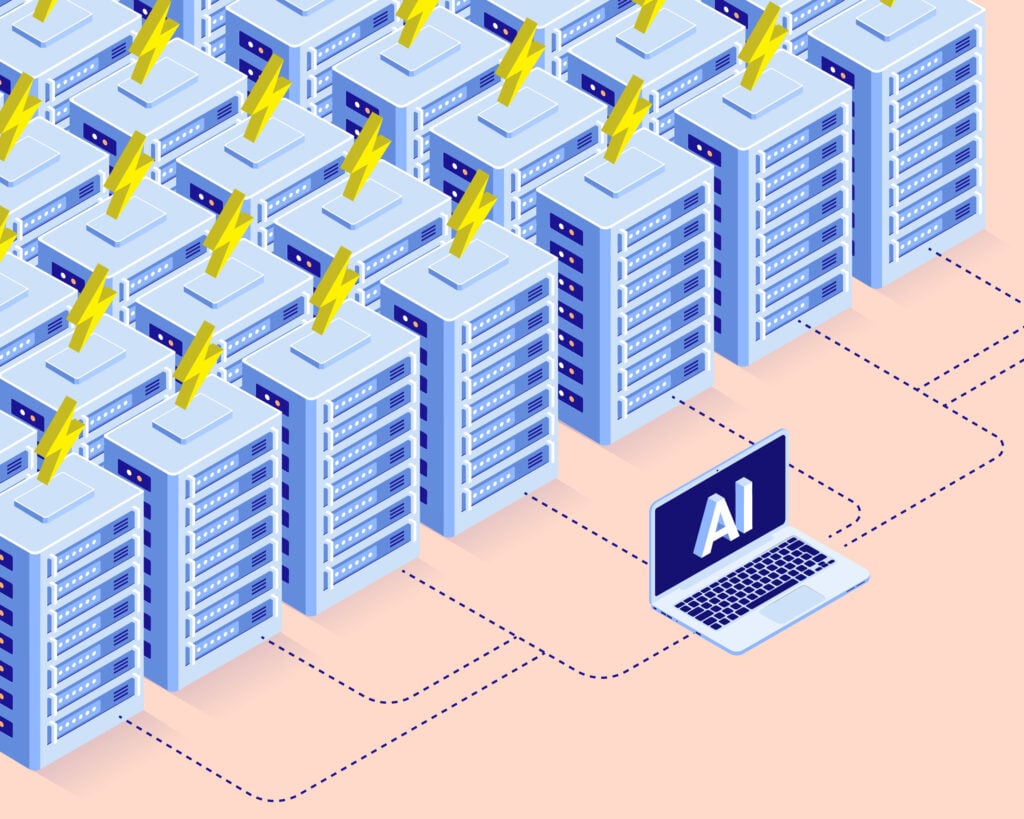
Data centers. Cloud computing. Artificial intelligence. Digital transformation.
These trends are reshaping industries across the country, but behind every new technology investment is something far less flashy and far more difficult to secure: talent.
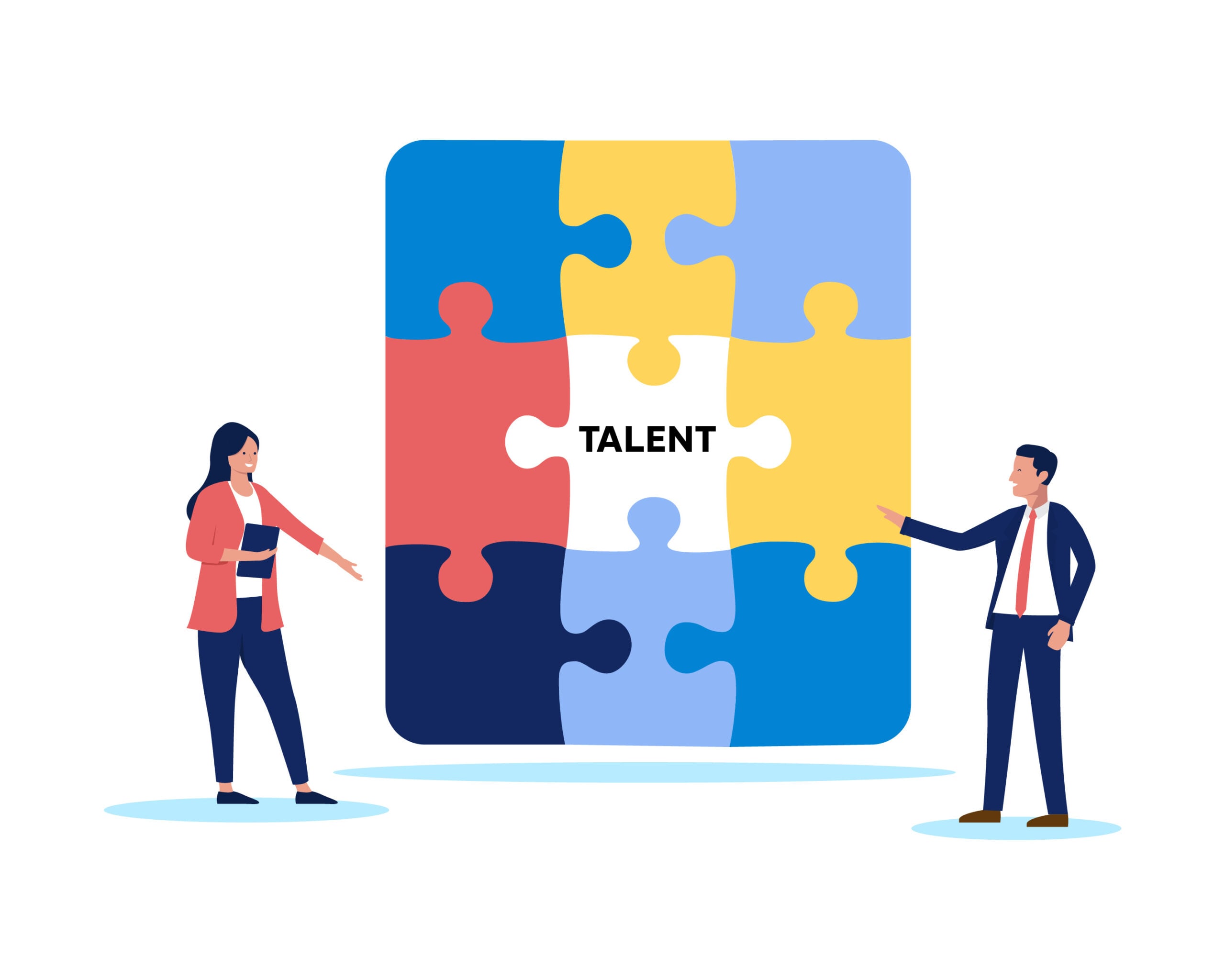
As organizations invest billions into mission-critical infrastructure, many are discovering that finding the right people can be just as challenging as building the facilities themselves.
For employers operating in data centers, critical infrastructure, engineering, construction, technology, and operations, the competition for talent is intensifying. Organizations that understand the changing workforce landscape will be better positioned to grow, scale, and execute on ambitious projects in the years ahead.
What Is Mission-Critical Infrastructure?
Mission-critical infrastructure refers to facilities and systems that organizations depend on to operate without interruption. This includes:
- Data centers
- Cloud infrastructure
- Telecommunications networks
- Healthcare technology systems
- Energy and utility facilities
- Manufacturing operations
- Distribution and logistics networks
In many cases, downtime is not simply inconvenient. It can result in significant financial losses, operational disruptions, security risks, or customer impact.
“While data centers often receive the most attention, organizations operating in mission-critical environments span a much broader range of industries. From utility operations and telecommunications networks to manufacturing facilities, distribution centers, and industrial plants, organizations depend on skilled engineering, operations, maintenance, and technical professionals to maintain uptime, safety, productivity, and operational continuity,” shares Tiffany Crawford, Talent Solutions Manager at Morgan Hunter.
As a result, companies are investing heavily in both physical infrastructure and the professionals responsible for designing, building, maintaining, and operating these environments.
The Data Center Boom Is Changing the Talent Market
Few sectors illustrate this trend better than the rapid growth of data centers.
The rise of AI, cloud computing, digital storage, and high-performance computing has created unprecedented demand for data center capacity. New facilities are being developed across the country, and existing operations are expanding to meet increasing demand.
While much attention is given to the technology itself, organizations are increasingly encountering another challenge: workforce availability.
“As investment in mission-critical infrastructure accelerates, many organizations are finding that securing skilled talent is becoming just as important as securing capital, equipment, and project funding,” Crawford says.
Data centers require a wide range of specialized professionals, including:
- Project managers
- Electrical engineers
- Mechanical engineers
- Construction managers
- Controls specialists
- Facilities managers
- Network engineers
- Operations leaders
- Maintenance technicians
- Commissioning professionals
Many of these positions require highly specific technical expertise and years of hands-on experience. Unfortunately, the supply of qualified candidates is not growing at the same pace as demand.
Mission-Critical Talent Extends Beyond Data Centers
Data centers are not the only organizations competing for specialized talent.
Across manufacturing, distribution, utilities, and industrial operations, employers are facing many of the same workforce challenges. As companies invest in automation, modernization, capital projects, operational efficiency initiatives, and expansion efforts, demand continues to rise for experienced engineering, maintenance, operations, and technical leadership talent.
Organizations are increasingly seeking professionals such as:
- Plant Managers
- Operations Managers
- Maintenance Managers
- Manufacturing Engineers
- Process Engineers
- Controls & Automation Engineers
- Reliability Engineers
- Supply Chain Leaders
- Project Engineers
- Continuous Improvement Professionals
These professionals play a critical role in reducing downtime, improving productivity, supporting growth initiatives, and ensuring operational reliability.
Why Talent Shortages Are Becoming More Common
The challenge isn’t limited to one industry or one type of role.
Several factors are contributing to talent shortages across mission-critical infrastructure sectors.
An Aging Workforce
Many experienced professionals are approaching retirement age. Organizations are losing decades of institutional knowledge while simultaneously trying to prepare the next generation of leaders.
Crawford adds, “The challenge extends beyond technical positions. Many organizations are also preparing for the retirement of experienced operations, engineering, and maintenance leaders.” Replacing decades of institutional knowledge while developing future leaders has become a growing concern across many industries.”
Increased Competition
Companies that may not have competed for the same talent in the past now find themselves targeting similar candidate pools. A technician, engineer, or project manager may have opportunities across multiple industries, giving candidates more options than ever before.
Specialized Skill Requirements
Mission-critical environments often require unique combinations of technical expertise, certifications, regulatory knowledge, and operational experience. These skill sets can take years to develop.
Geographic Challenges
Many infrastructure projects are tied to specific locations. Employers often need to attract talent to markets where candidate availability may be limited, creating additional recruiting challenges.
Crawford shares “whether it’s a data center, utility, manufacturing facility, or distribution operation, the organizations that can attract and retain specialized talent will have a significant competitive advantage in the years ahead.”
Hiring Has Become a Strategic Function
For many organizations, recruiting is no longer simply an HR responsibility. It has become a business strategy.
When critical positions remain open for extended periods, projects slow down. Growth plans are delayed. Existing teams become stretched thin. Productivity and morale can suffer.
The most successful organizations are taking a proactive approach to workforce planning by asking important questions:
- Which roles will become difficult to fill over the next three to five years?
- Where are we vulnerable to retirements or turnover?
- What skills will our business need as technology evolves?
- How can we build stronger talent pipelines today?
Companies that answer these questions early often gain a significant advantage over competitors who wait until hiring becomes urgent.
What Employers Can Do Now
While labor market conditions may feel challenging, there are practical steps organizations can take to improve hiring outcomes.
Build Relationships Before You Need Talent
The best time to identify future candidates is before a position becomes available. Maintaining relationships with industry professionals, passive candidates, and workforce partners can significantly reduce hiring timelines.
Focus on Transferable Skills
Some of the most successful hires come from adjacent industries. Candidates may not have direct experience in a particular environment but possess technical skills, leadership capabilities, or problem-solving experience that translate effectively.
Strengthen Employer Branding
Today’s candidates want more than a job description. They want to understand company culture, leadership philosophy, career growth opportunities, and long-term stability.
Organizations that clearly communicate their value proposition often attract stronger candidates.
Develop Internal Talent
Upskilling existing employees can help organizations address future workforce gaps while improving retention and engagement.
Partner with Specialized Recruiters
In highly competitive talent markets, access to broader candidate networks can make a meaningful difference. Specialized recruiters often maintain relationships with passive candidates who may not be actively searching but are open to the right opportunity.
Looking Ahead
The growth of data centers, AI, digital infrastructure, and mission-critical operations shows no signs of slowing down.
Technology will continue to evolve. Facilities will continue to expand. New projects will continue to emerge.
But none of it happens without people.

Organizations that view talent as a competitive advantage rather than a transactional hiring need will be better equipped to navigate workforce challenges and capitalize on future opportunities.
Crawford notes, “here at Morgan Hunter, we’ve seen firsthand how quickly talent demands are changing across Critical infrastructure, engineering, and Industrial operations roles. The organizations that succeed are often the ones that begin workforce planning before hiring becomes urgent.”
Because in today’s market, finding the right people isn’t simply part of the project.
It’s what makes the project possible.
Need help finding specialized talent for Industrial Engineering, Operations, or mission critical infrastructure roles? Morgan Hunter helps organizations connect with professionals who keep businesses running, growing, and moving forward. Contact our team to learn more.