
Hiring used to feel more predictable.
A role opened. A job description was written. Candidates applied. Someone was hired. End of story.
Today, the process looks a little different. Markets shift quickly. Technology evolves fast. And many organizations are balancing growth goals with caution around long-term costs.
For CEOs and CFOs, hiring has become less about filling seats and more about managing risk.
That is where the conversation around contract employees comes in.
More organizations are using contract talent as a strategic workforce tool. Not as a backup plan, but as a deliberate way to stay flexible, test roles, and protect the business from costly hiring mistakes.
Understanding when to use contract employees versus permanent hires can help leadership teams make smarter workforce decisions.
Let’s look at why.
The Real Cost of a Bad Hire
Every executive knows hiring mistakes happen. But the financial impact is often larger than expected.
A bad hire can cost:
- Salary and benefits
- Recruiting and onboarding costs
- Lost productivity
- Team disruption
- Rehiring expenses
Some estimates place the cost of a bad hire at 30–200% of the employee’s salary, depending on the role.
For leadership teams responsible for budgets and performance, that level of risk matters.
Using contract employees can significantly reduce that exposure.
Instead of making a long-term commitment immediately, organizations can bring in talent for a defined period and evaluate performance, culture fit, and business needs before making a permanent decision.
It creates breathing room for better decisions.
What Contract Employees Actually Offer
Contract employees are professionals hired for a defined timeframe or project rather than a permanent role. They are often sourced through a staffing agency, which manages recruiting, screening, and placement.
For companies, this model offers several strategic advantages.
1. Flexibility During Business Changes
Markets change quickly. A company that needs five new employees today may only need three in six months.
Contract employees allow companies to scale their workforce up or down without long-term payroll commitments.
This flexibility is particularly valuable during:
- Rapid growth
- New product launches
- Mergers or acquisitions
- Technology transitions
- Seasonal demand
Instead of over-hiring, leadership teams can adjust staffing levels as business needs evolve.
2. Faster Access to Talent

Hiring cycles have lengthened across many industries. Interview processes are more complex, and specialized skills are in high demand.
Contract employees can often start much faster than traditional hires.
A staffing agency typically maintains a pipeline of vetted candidates who are ready to begin quickly. That means companies can fill urgent gaps without waiting through lengthy recruiting timelines.
For projects with tight deadlines or teams that are already stretched thin, speed matters.
3. Try Before You Hire
One of the most valuable aspects of contract employees is the opportunity to evaluate performance before extending a permanent offer.
Think of it as a professional test drive.
Instead of relying solely on interviews and resumes, leadership teams can observe:
- Work quality
- Communication style
- Cultural alignment
- Problem-solving ability
- Collaboration with the team
If the individual proves to be a strong fit, transitioning them into a permanent role becomes a confident decision rather than a gamble.
This approach dramatically reduces hiring risk.
4. Specialized Expertise for Short-Term Needs
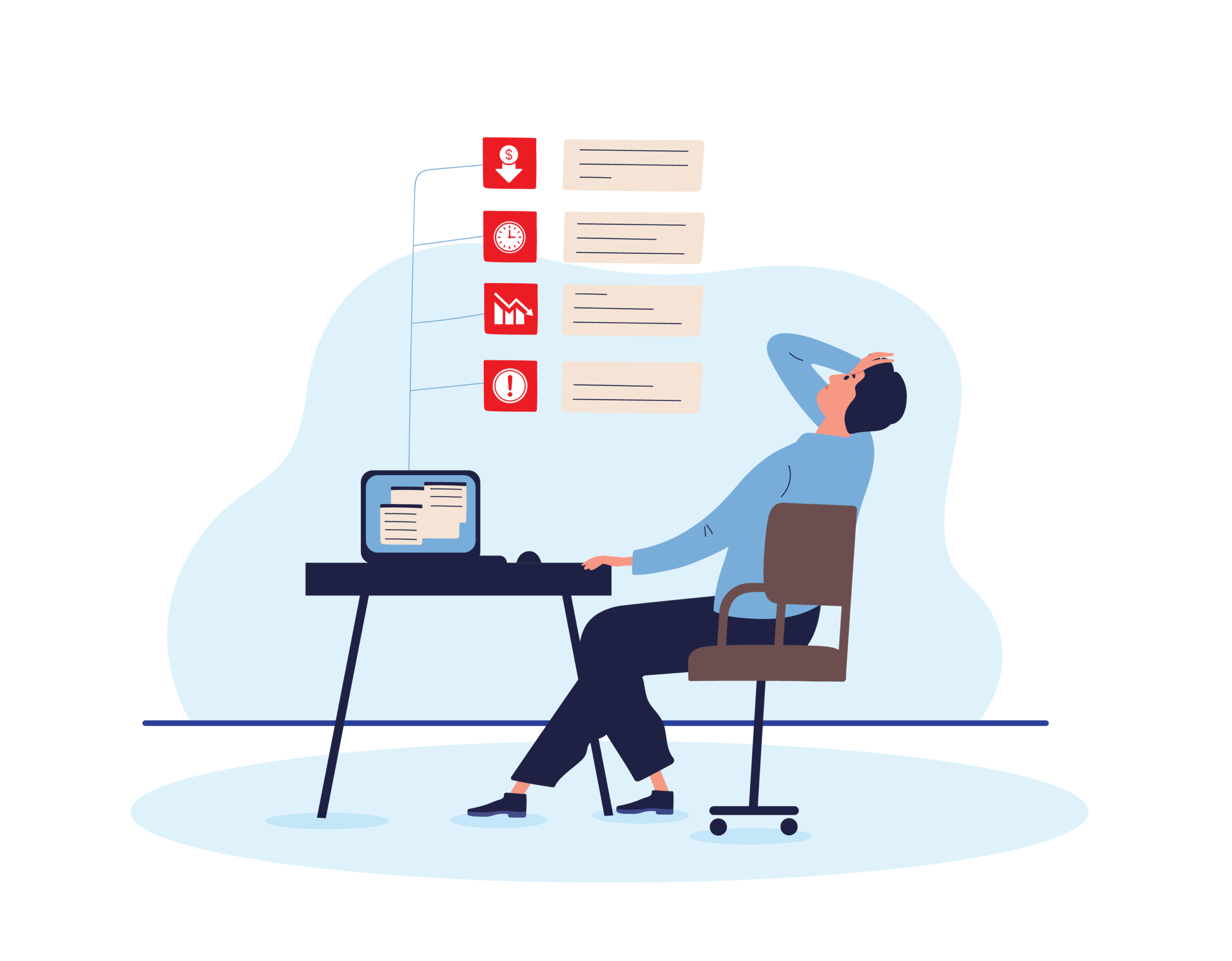
Many organizations occasionally need niche expertise that does not justify a full-time hire.
Examples include:
- ERP implementations
- Financial system upgrades
- Data analysis projects
- Compliance initiatives
- Process improvement work
Bringing in contract employees with specialized skills allows companies to complete important projects without committing to long-term payroll costs.
Once the project is complete, the organization retains the results without carrying ongoing overhead.
When Permanent Hires Make More Sense
Contract employees are powerful tools, but they are not the right solution for every situation.
Permanent hires are typically the best choice when:
- The role is core to the long-term business strategy
- Institutional knowledge is critical
- Leadership development is part of the position
- The organization needs stability within the team
For example, executive leadership roles, department heads, and key operational positions often benefit from long-term investment.
The most effective workforce strategies usually include both permanent employees and contract employees, depending on the role and business needs.
Why More Executives Are Using Contract Talent
Over the past several years, the workforce has shifted in meaningful ways.
Highly skilled professionals increasingly choose contract work for flexibility, variety, and autonomy. At the same time, companies are rethinking how they structure teams.
This has created a growing pool of experienced contract talent across industries including:
- Finance and accounting
- Human resources
- Information technology
- Operations
- Administrative leadership
For executives, this means contract employees are no longer just temporary fill-ins. They are often seasoned professionals who bring valuable expertise to an organization.
How a Staffing Agency Helps Reduce Hiring Risk

Finding the right contract employees requires more than posting a job online.
A strong staffing agency plays a critical role in reducing hiring risk by handling several important steps:
1. Candidate screening
Experienced recruiters vet candidates for both skills and cultural fit before presenting them to the company.
2. Market insight
Recruiters understand local hiring trends, compensation benchmarks, and talent availability.
3. Speed and efficiency
Agencies maintain networks of professionals who are ready for new opportunities.
4. Reduced administrative burden
Many contract employees remain on the agency’s payroll, simplifying onboarding and compliance for the employer.
For CEOs and CFOs, this partnership allows internal teams to stay focused on strategy rather than managing the full hiring process.
A Smarter Way to Build a Workforce
The workforce is evolving, and so is the way companies hire.
Instead of relying solely on permanent hires, many leadership teams are building blended workforce models that combine:
- Permanent employees
- Contract employees
- Project-based specialists
This approach gives organizations greater agility while protecting them from unnecessary hiring risk.
It allows businesses to move faster, adapt more easily, and make more informed long-term hiring decisions.
The Bottom Line
Hiring will always involve some level of uncertainty.
But it does not have to involve unnecessary risk.
By incorporating contract employees into the workforce strategy, companies can gain flexibility, access specialized talent, and evaluate potential long-term hires before making a commitment.
For executives responsible for growth, performance, and financial discipline, that balance can make all the difference.
Thinking about using contract employees to strengthen your team?
Morgan Hunter has helped Kansas City organizations connect with exceptional talent for decades. Whether you need contract professionals, project specialists, or permanent hires, our recruiting experts can help you find the right fit.
Contact Morgan Hunter today to learn how the right staffing strategy can support your business goals.