As 2026 approaches, hiring trends in Kansas City are settling into a new normal: more intentional than the post-pandemic sprint, but still highly competitive. Candidates are choosier, employers are more discerning, and both sides are recalibrating what “fit” really means. At Morgan Hunter, we sit at the center of those conversations every day. Here are the 2026 hiring trends our recruiters are seeing—and the practical moves KC employers can make now.
1) Deliberate > Frenetic: Precision is back 
If 2022 felt like one-and-done interviews, 2026 is about balanced pace: thoughtful, not sluggish.
“After COVID, hiring felt chaotic,” says Dan Hilboldt, Senior Recruiter for Sales, Marketing & Operations. “Employers were so hungry for talent that some were making one-and-done offers. Now things have slowed down. Companies are being more deliberate, adding steps, and focusing on long-term mutual fit.”
Jake Mankin, Recruiter on the Finance & Accounting team, sees employers adjusting too:
“Talent can be hired in a variety of different ways, and not every interview is the same. Asking deeper questions and understanding someone beyond the résumé helps companies make better long-term hires.”
This year’s hiring trends in Kansas City show a clear shift toward quality over speed. The best processes are clearly mapped (who’s involved, what comes next), time-boxed, and move quickly between stages.
What to do now
- Publish your interview plan up front (stages, timeline, decision gate).
- Tighten loops: fewer, better conversations with decision-makers present.
2) Candidate experience is your employer brand
Top candidates are active in multiple recruiting processes—often simultaneously.
“In a competitive market, remember candidates aren’t only talking to you,” says Brianna Ahrens, Recruiter on our Administrative team. “Be respectful of their time, send status updates, and don’t take too long to move forward—great candidates disappear when you wait.”
In 2026, experience equity matters: timely feedback, transparent expectations, and human touch points. Those impressions travel fast in a relationship-driven city like Kansas City.
What to do now 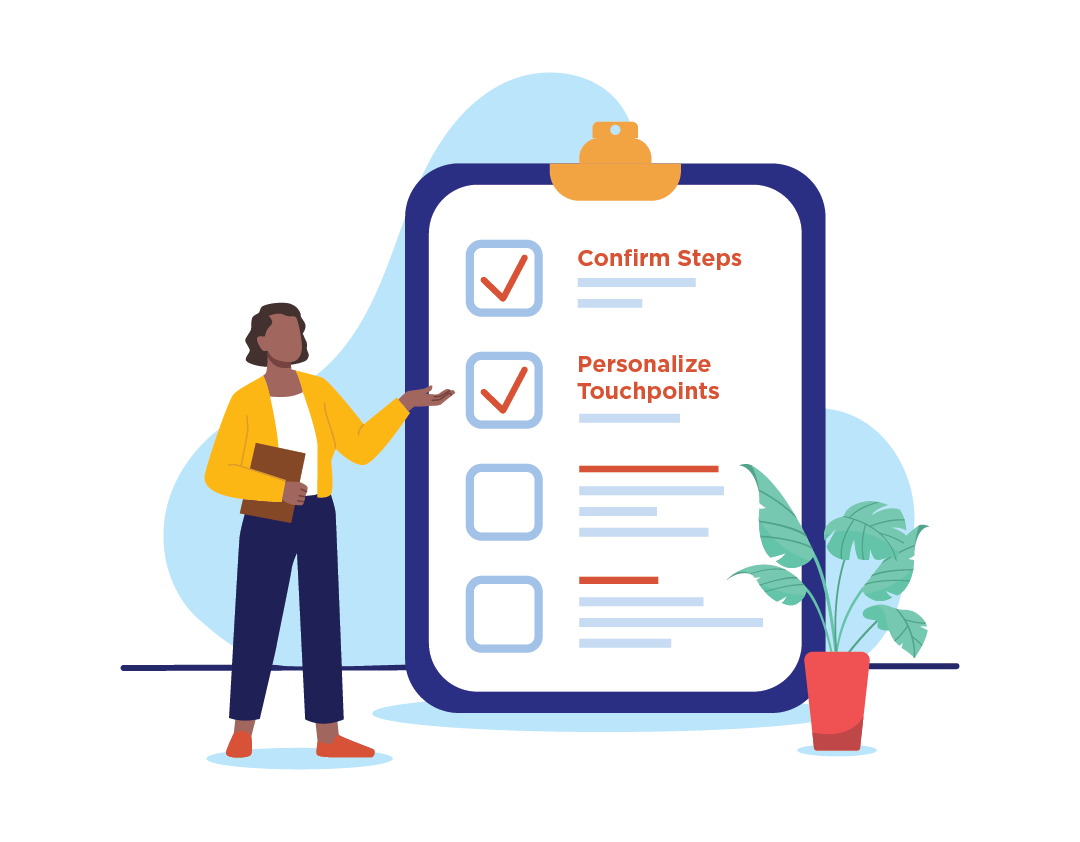
- Confirm next steps within 24–48 hours of each interview.
- Personalize touch points—especially for finalists (quick notes from future peers or leaders).
3) Hire the whole person: skills + mindset + culture
Job descriptions still matter—but they’re not the whole story. Curiosity, positivity, and cultural alignment separate a good hire from a lasting one.
“The number one mistake is getting too bogged down in a background or specific skill set instead of looking at the big picture,” says Dan.
Brianna adds: “Companies often hire only for qualifications and not personality or culture fit. Someone can ‘do’ the job, but if they don’t mesh with the team, they won’t be effective.”
Jake reinforces that culture must be intentional: “Culture isn’t something that changes in a day—it’s built through consistent, open conversations with both current employees and future hires.”
Assess for drive and team chemistry alongside capability. That’s especially crucial for roles that work closely with senior leaders or span multiple functions.
What to do now
- Add scenario prompts that reveal judgment and collaboration style.
- Involve future peers in a structured culture interview (with consistent scoring).
4) Flexibility is the deal-breaker (with an office-forward tilt)
Flexibility still matters—but many KC employers are trending office-forward, especially for new hires.
“We’re seeing a strong push to be in the office—ideally five days for some teams—because in-person time accelerates relationships,” Brianna notes. “At the same time, employers recognize people value flexibility, so schedules are more accommodating than pre-pandemic.”
Jake sees the same trend firsthand:
“Traffic is back to where it was pre-COVID. Job seekers aren’t always going to find that one-day-a-week role, but when employers can offer flexibility, it opens the door to more candidates.”
What to do now
- Be explicit about your hybrid/onsite rhythms and why (mentorship, speed, cohesion).
- Offer reasonable schedule latitude (core hours, appointment flexibility, meaningful PTO).
5) Interim and “multi-hat” talent surge
Economic signals remain mixed, so interim and project-based hiring continue to climb—especially in accounting, HR, IT, and operations. At the same time, many teams want talent that spans lanes.
“A hard-to-find profile now is someone who can wear multiple hats—say across HR or admin—and has real, concrete experience in those areas,” Brianna says. “If you ask for more, expect a longer search window.”
What to do now
- Pair a permanent hire with interim support to cover spikes or specialty work.
- If you truly need a unicorn, adjust time-to-fill recruiting expectations (or scope the role into two focused hires).
6) Kansas City = relationship capital 
KC’s advantage is its closeness: fewer degrees of separation and a high-trust business community.
“There are so few degrees of separation here,” says Dan. “Leverage connections—yours and ours. Relationships get you the furthest in this market.”
This emphasis on relationships continues to shape the most successful hiring trends in Kansas City, where community reputation and personal connections often outweigh résumé algorithms.
With 2026 knocking at our door, Jake points out a KC-specific dynamic shaping future hiring:
“With the World Cup coming, more people are going to realize how great Kansas City is. We’re already seeing construction and residential growth—and that will bring more talent to the area.”
What to do now
- Activate alumni groups, associations, and local events.
- Partner with a recruiter who lives in the KC network every day.
7) Administrative & EA hiring is heating up
On the admin front, demand is broad—from reception to high-level executive support.
“Executive assistant searches are up, and they’re great to do with a recruiter because they’re nuanced,” Brianna explains. “Requirements can be very specific to the executive or team, and the personality fit is critical.”
What to do now
- For EA roles, define success around partnership style (pace, discretion, decision rights) as much as tools or years of experience.
- Use working-session assessments (calendar triage, inbox prioritization) to preview fit.
8) People-first still wins (humans over checkboxes)
In an AI-augmented world, human judgment is a differentiator.
“At Morgan Hunter, we never see people as product,” Dan says. “Our job is to make life-changing matches.”
Brianna echoes it: “Candidates worry they’re just being filtered by algorithms. We add the human component—we look with human eyes at every résumé and think creatively about fit.”
This human-centered approach will continue to define 2026 hiring trends, particularly in relationship-driven markets like Kansas City.
What to do now
- Encourage story-rich résumés and interviews that reveal the why, not just the what.
- Calibrate your screening tools so they assist—not replace—human evaluation.

Quick hits: What employers can do this quarter
- Map the process. Publish a two-to-four step plan with owners and expected timelines.
- Signal flexibility clearly. State your onsite/hybrid approach and the reasoning.
- Score for culture. Use a short rubric for values, positivity, and collaboration.
- Broaden the net. Consider adjacent industries and transferable skills—especially for admin and operations.
- Use interim strategically. Cover immediate gaps while you search for the long-term fit.
And for candidates (because we coach both sides)
We’ll leave you with two recruiter-approved nuggets you can share internally:
Run to, not from. “Put yourself in a spot where you’re running to the next opportunity—not running from the one you’re in,” says Dan.
Stand out with gratitude. “Send a thank-you note,” Brianna advises. “Most people don’t. Hand-write it and mail it—fewer than 5% do that, and it’s memorable.”
Why Morgan Hunter
For nearly four decades, we’ve helped Kansas City companies find the right people—and helped professionals find roles where they can thrive. We’re KC-exclusive by design, deeply networked, and relentlessly people-first.
“Sometimes timing moves fast—a candidate we met on Monday had an offer by Wednesday and she’s still there years later,” Dan recalls.
“And we never reduce anyone to a résumé,” Brianna adds. “We get to know the person—who they are and who they hope to be.”
Ready to shape your 2026 hiring plan?
Connect with a Morgan Hunter recruiter who understands hiring trends in Kansas City and knows the market inside and out.