
Hiring in uncertain times? Learn why delaying hiring decisions may cost more than you think and how the right hiring strategy can help your business grow.
Economic uncertainty has a way of making even the best leaders hesitate.
Should we hire now?
Should we wait another quarter?
Can the current team stretch just a little longer?
These are fair questions. But one question often gets overlooked:
What is waiting actually costing your business?
In today’s market, delaying hiring decisions can create challenges that are harder to measure than a salary or recruiting fee. Lost productivity, employee burnout, delayed growth, and missed opportunities all carry a cost.
The good news? Hiring confidently doesn’t mean hiring recklessly. It means having the right information, the right strategy, and the right recruiting partner.
What Does Hiring Hesitation Actually Cost?
An open position doesn’t just leave an empty desk.
It affects the people who are still there.
Ask yourself:
- Are key employees taking on extra responsibilities?
- Are projects moving more slowly than expected?
- Are leaders spending valuable time filling staffing gaps instead of growing the business?
- Are customers or clients waiting longer because your team is stretched too thin?
One vacant role often creates a ripple effect throughout an organization.
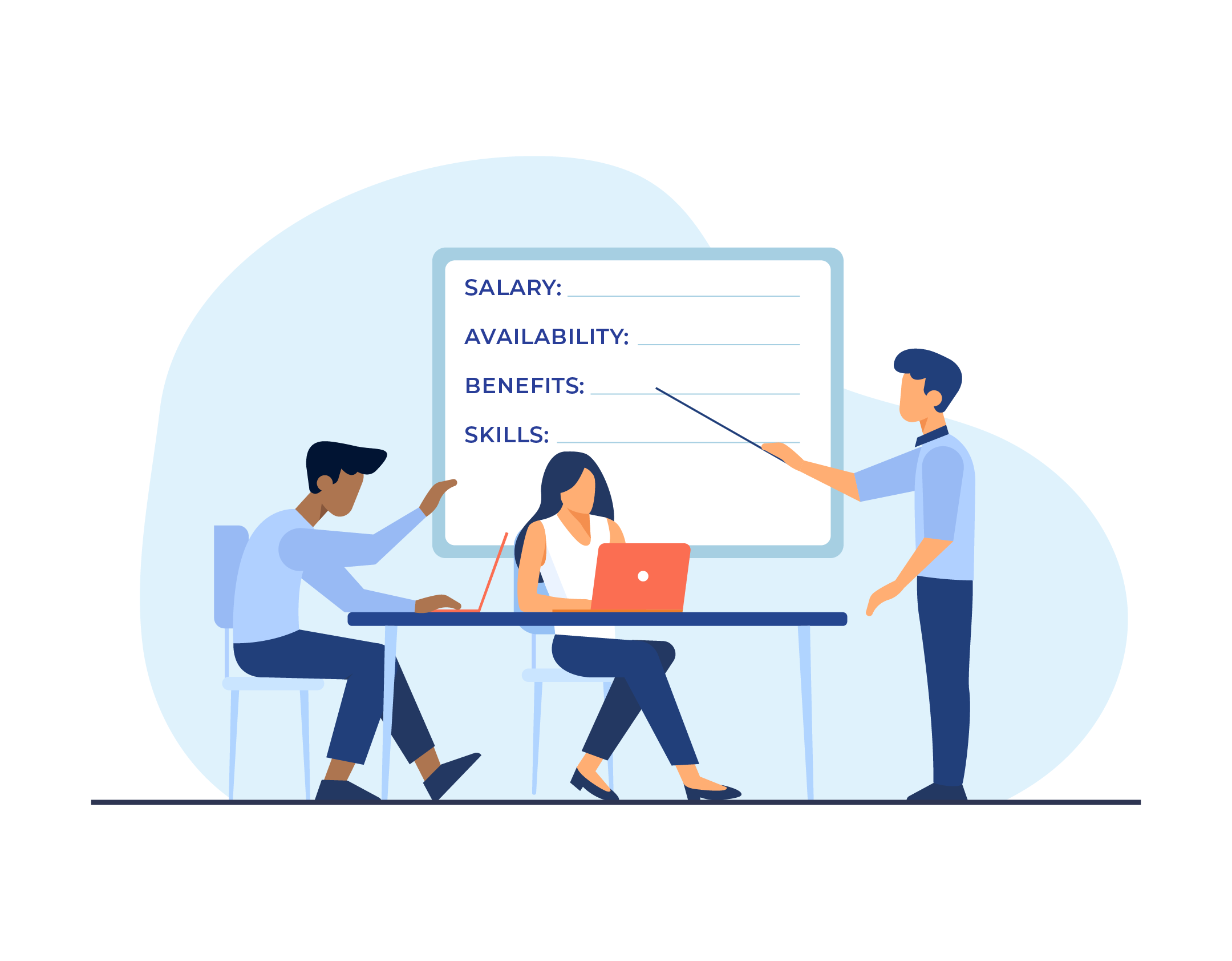
While waiting may feel like the safer decision, it can quietly become the more expensive one.
Hiring in Uncertain Times Doesn’t Mean You Have to Guess
Every business experiences periods of uncertainty.
Markets change.
Budgets evolve.
Growth plans shift.
The question isn’t whether uncertainty exists. It’s how you respond to it.
A strong hiring strategy focuses on facts instead of fear.
Before making a hiring decision, ask:
- What skills does the business truly need today?
- Which positions directly impact revenue, operations, or customer experience?
- Can contract staffing provide flexibility?
- Is this a permanent hire or an interim need?
- What does today’s candidate market actually look like?
Having answers to these questions allows companies to make informed hiring decisions rather than emotional ones.
The Best Hiring Decisions Start Long Before the Interview
Finding qualified candidates is only one part of hiring.
Understanding the market is another.
At Morgan Hunter, our recruiters spend every day talking with professionals across accounting and finance, human resources, technology, administrative support, sales, marketing, engineering, operations, healthcare, and executive leadership.
That means clients gain more than resumes.
They gain insight.
Examples include:
- Current salary expectations
- Candidate availability
- Hiring trends
- Competitive benefits
- What motivates today’s professionals
- Which skills are becoming harder to find
Market intelligence helps employers make better hiring decisions before a position is ever posted.
Technology Can Find Candidates. Relationships Find the Right Candidate.

Artificial intelligence has transformed recruiting.
Job boards are smarter.
Search tools are faster.
Automation can accomplish more than ever before.
But technology still has limits.
Technology can tell you:
- Where someone has worked.
- Which certifications they have earned.
- How closely a resume matches a job description.
It cannot tell you:
- Why someone is considering a career move.
- Whether they’ll thrive in your company culture.
- What motivates them beyond compensation.
- Whether they’re looking for long-term growth or a short-term opportunity.
Those conversations still happen person to person.
That’s why relationships continue to matter.
The strongest hiring decisions combine technology with experienced recruiters who understand both the candidate and the employer.
A Recruiting Partner Should Reduce Risk, Not Add to It
Many organizations think of recruiting firms only when they have an urgent opening.
But the best recruiting relationships begin before there’s an emergency.
A trusted recruiting partner can help you:
- Understand current hiring trends.
- Benchmark compensation.
- Evaluate workforce planning.
- Build talent pipelines before positions become critical.
- Explore contract, contract-to-hire, and direct hire options.
- Adjust hiring strategies as business needs change.
Instead of reacting to hiring challenges, businesses can prepare for them.
Signs It May Be Time to Hire

Not sure whether now is the right time?
Here are a few indicators that waiting may be costing more than moving forward.
- Employees consistently working overtime
- Managers spending too much time covering open positions
- Revenue opportunities being delayed
- Customer service or response times declining
- Specialized work being handled by employees outside their expertise
- Growth initiatives remaining on hold because there isn’t enough capacity
If several of these sound familiar, the business may already be paying the price of an open position.
Hiring Isn’t Just About Filling a Role
It’s About Building Momentum
Every hire has the potential to influence:
- Team morale
- Productivity
- Customer satisfaction
- Business growth
- Future leadership
That’s why the right hire is never just another employee.
It’s an investment in where the organization is headed next.
At Morgan Hunter, we believe successful hiring starts with understanding your business, your goals, and the people who will help you achieve them.
Because while no one can predict exactly what the market will do next, organizations that make thoughtful, informed hiring decisions are often the ones best positioned to adapt, grow, and move forward with confidence.
Frequently Asked Questions About Hiring Strategy
Is it better to delay hiring during economic uncertainty?
Not always. While every business is different, delaying hiring can lead to increased workloads, slower growth, employee burnout, and missed opportunities. Evaluating the true cost of waiting is an important part of a sound hiring strategy.
What is a good hiring strategy?
An effective hiring strategy aligns talent decisions with business goals, market conditions, and workforce needs. It should consider permanent hiring, contract staffing, succession planning, compensation trends, and long-term organizational growth.
How can a recruiting partner help my business?
A recruiting partner provides more than candidate sourcing. They offer market intelligence, salary benchmarking, access to passive candidates, hiring strategy guidance, and flexible staffing solutions that help businesses make confident hiring decisions.
When should a company consider contract staffing?
Contract staffing can be an excellent option when businesses need specialized expertise, project support, interim leadership, seasonal staffing, or additional flexibility while evaluating long-term hiring needs.